Mainland China: Shanghai, Xi’an, Chongqing, Shenzhen & Guangzhou
Five cities. High speed trains, electric everything, deep history, big questions.
📅 When I stayed: December 2025 - January 2026
⏳ Duration: 19 days split between 2 visits
🛜 WiFi: Fast, but requires VPN for Western apps
🛂 Visa: 240 hour visa free transit an option for U.S passport holders. For longer stays, a visa is required for U.S. passport holders
🌎 Best for: Curious travelers who want to see a rising global power up close
Intro – Who This City Is For
What this experience actually feels like
China is intense. Efficient. Massive. Subsidized. Controlled. Proud. It feels like watching a country that decided to build the future at full speed and is not asking for permission. You feel it immediately. Immigration was smooth but structured. Temperature checks. Extra forms. Passport scanning everywhere. Fingerprints necessary.
I entered on a 240 hour visa free transit. This is a good option for U.S. passport holders. The only “catch” is you fly in from one country and have to leave to a different country. I used it twice. The first time was FROM Japan TO Hong Kong. The second time was FROM Hong Kong TO Taiwan. Yes, these count as separate countries in early 2026. It was easy and I didn’t have to pay the $140 visa and send my passport to my nearest consulate (for me being in Denver, that would be Los Angeles as the nearest one). If I wanted more than 10 days, I would apply.
Most Europeans I met get 30 days via free, I got 10. Geopolitics at play. Alipay and WeChat become your new wallet. Cash barely matters. VPN becomes essential if you want WhatsApp or Google. I used my home setup here.
The airport was easy. Filled out a few forms and got the SIM card and I was on my way. Then you take a one hour metro ride into Shanghai and realize how big this country operates.
My first thought was wow, the electric scooters are whisper silent. All you hear are the horns. They drive everywhere, sidewalks, roads wherever they feel like. The cars are quiet. Entire intersections, six lanes each, and all you hear is rubber on pavement. It was so weird with 70% of the vehicles being electric. From my home town it’s maybe 8%, if that.
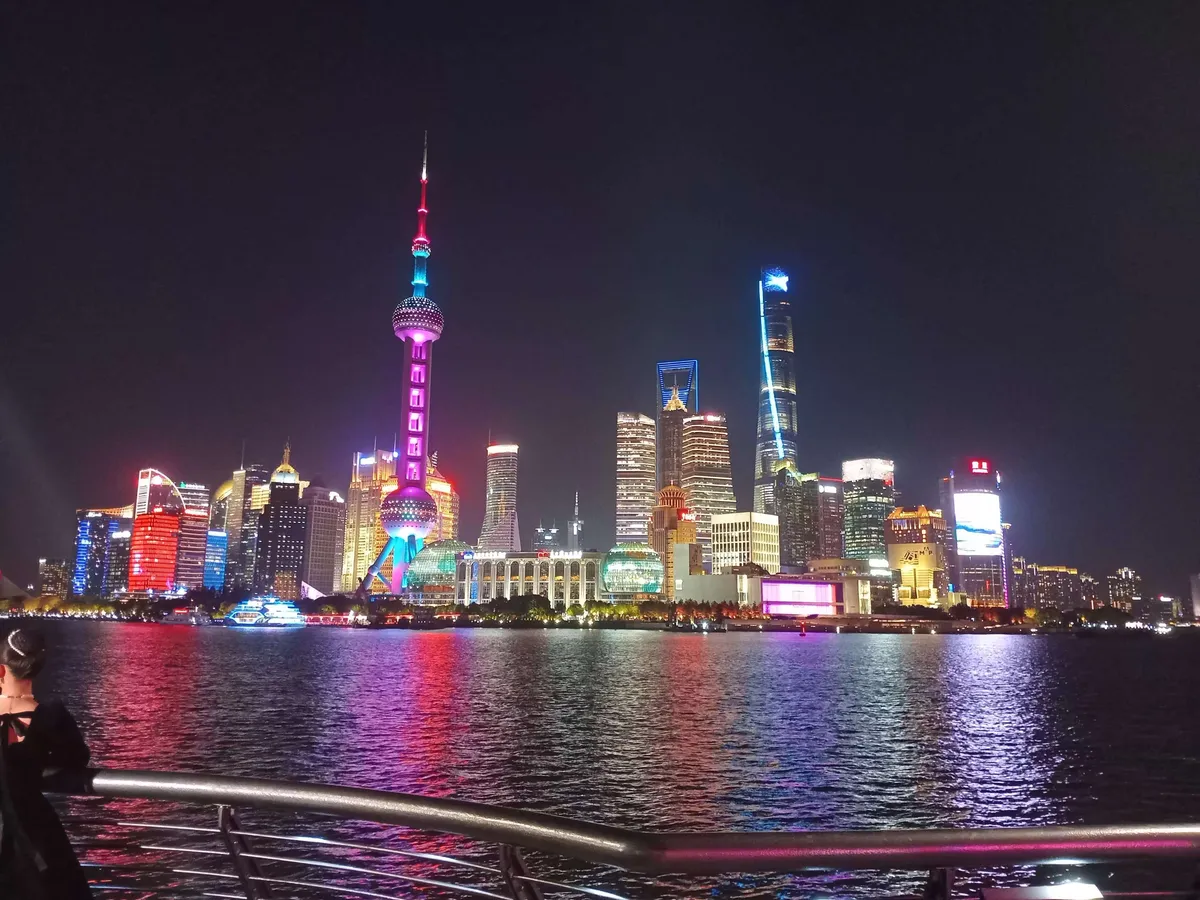
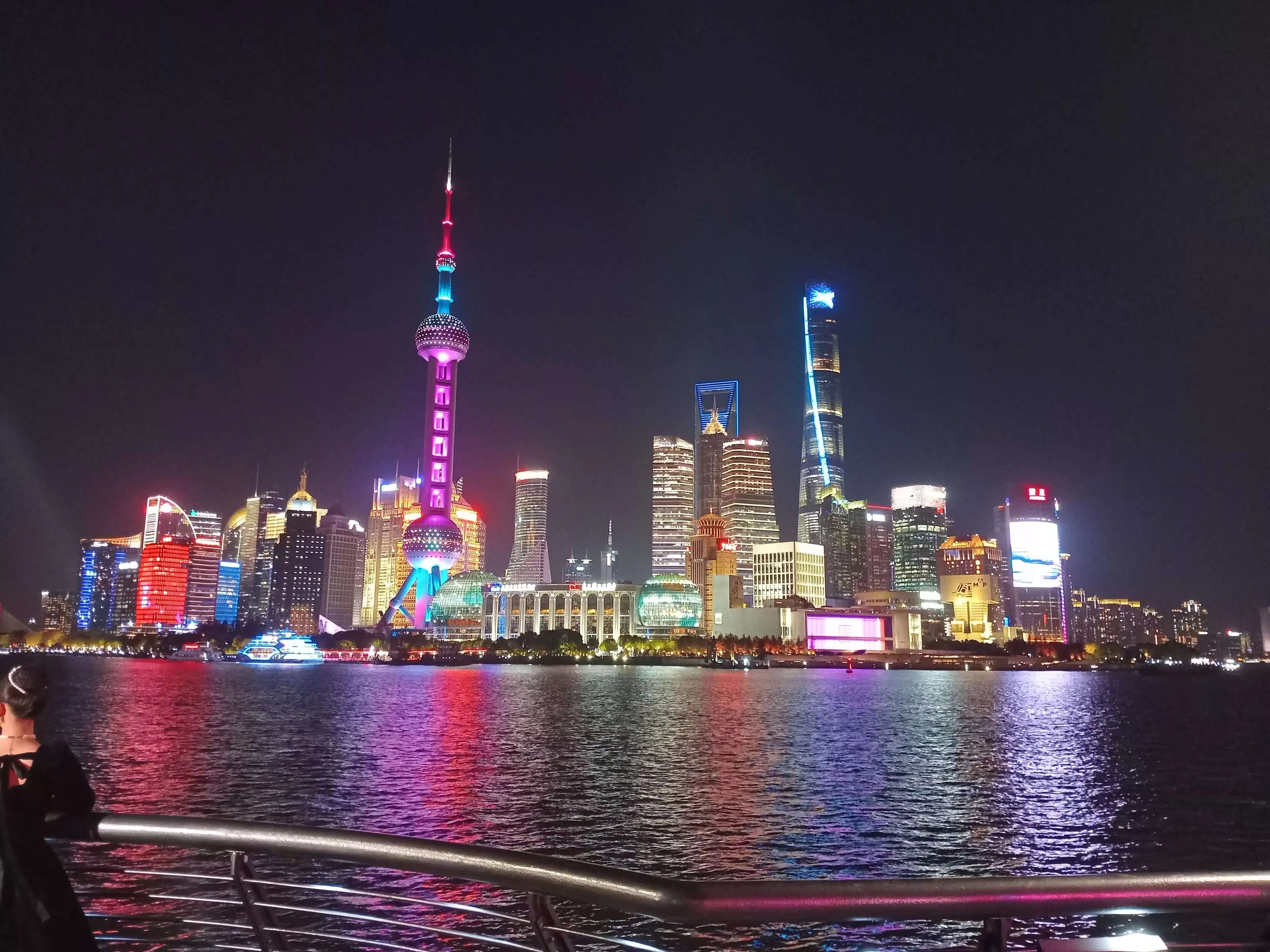
The Bund at night is unreal. Futuristic skyline across the river. Lights everywhere. It gets illuminated at 6pm and switches off at 10pm. It is like someone flips a light switch.
Once you are past the big wow infrastructure culture shock stage you notice other things. Spitting in the street is common. Slurping noodles loudly and smacking your lips is common. If this bothers you, bring headphones or earplugs. It took me a few days to get used to this. After hearing my entire life, “Chew with your mouth closed” It is the opposite here. Pushing into elevators and metro subways is common. Even with announcements not to, people still do it. An easy solution here is to just walk, people will move out of the way and if you bump into someone, it’s kind of normal here. It feels weird from my western perspective, but it’s not out of the ordinary. Smoking indoors is common. Babies being cleaned in public without hesitation. People fighting over who gets to pay the bill.
It’s not polished. It’s not curated. The only polished parts I saw were the Tier 1 cities. They have cleaners everywhere picking up trash with these super long tong looking tools.
Who will love it People who are curious about power, systems, infrastructure, and culture at scale. 1.4 billion people.
If you want to see:
- High speed rail that feels like airports
- Trains where you order food to your seat. Where the workers clean the floor in between stations and clean your umbrella if it is wet.
- Cities built in 40 years and others with 2000 year histories.
- Massive economic reform stories
- A different political perspective
- Surveillance like no other. There are cameras everywhere and police every 100 meters.
You will find it fascinating. I sure did.
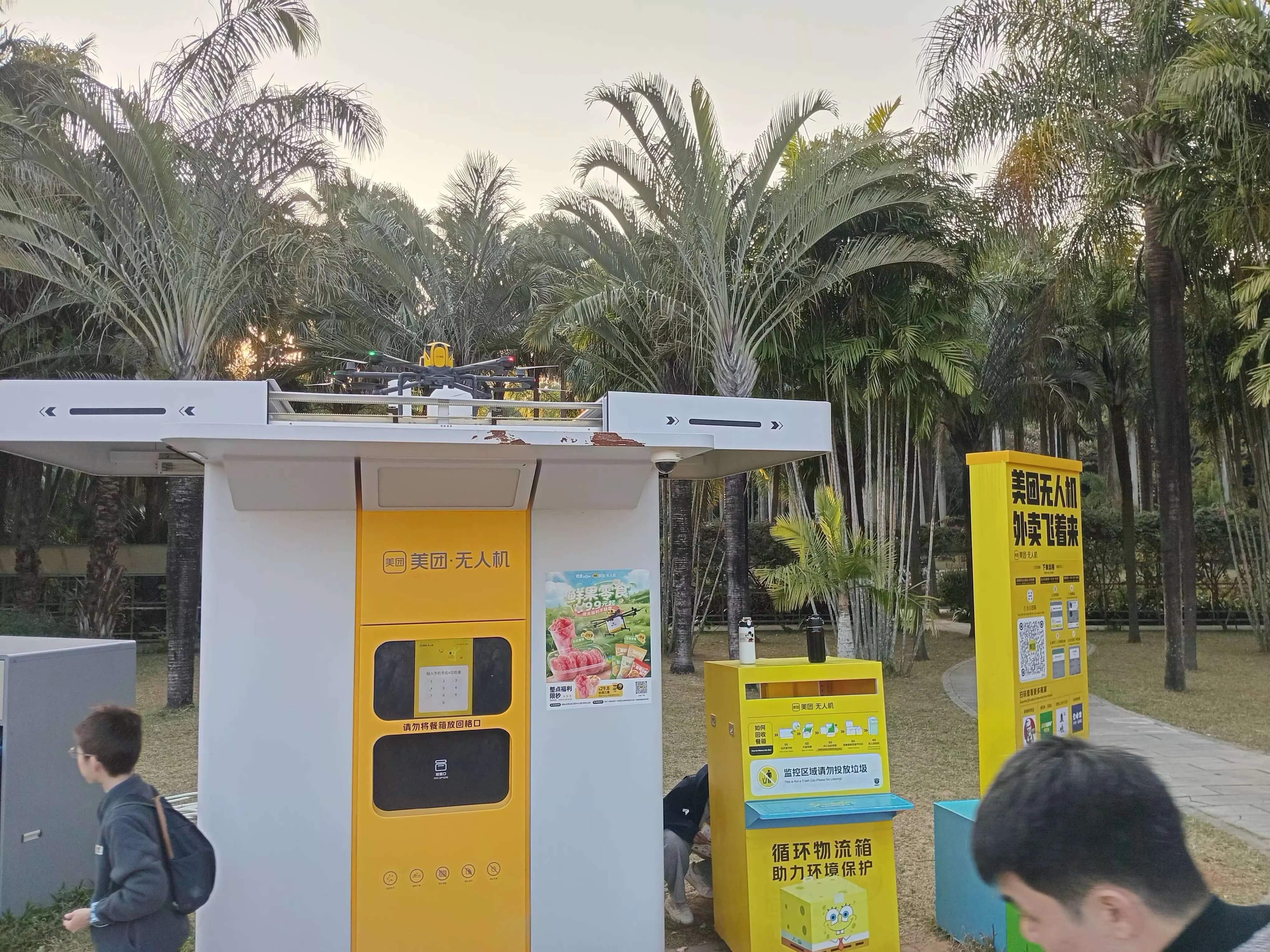
Drone delivery of fast food in Shenzhen
Who should avoid it
- If you need Western apps without a VPN.
- If you want historical preservation over modernization.
- If political messaging makes you uncomfortable.
- If you expect Japan-level quiet politeness.
- If you are uncomfortable about being in a communist state.
China is not subtle.
One personal anecdote
The level of scale this country has in infrastructure and transit was just nothing short of amazing. Also, they don’t see many foreigners. People would stare, and even pivot and keep staring. If you said “Hello” they would look away or wave back and smile. Clubs were massive. Security everywhere. Entry free. Influencers live streaming at tables. No dance floor culture. Just groups sitting, smoking, ordering bottles. I paid $3 for a Coke and watched a full scale production show. Another night I ended up at a bar where locals fought to pay the bill. Literally grabbing the check from each other. Hospitality here is competitive. The prices of things blew me away. Hostels for $4 per night. Sit down meals for $3 and you get unlimited noodle refills. Metro a 30 minute metro ride for $0.50.
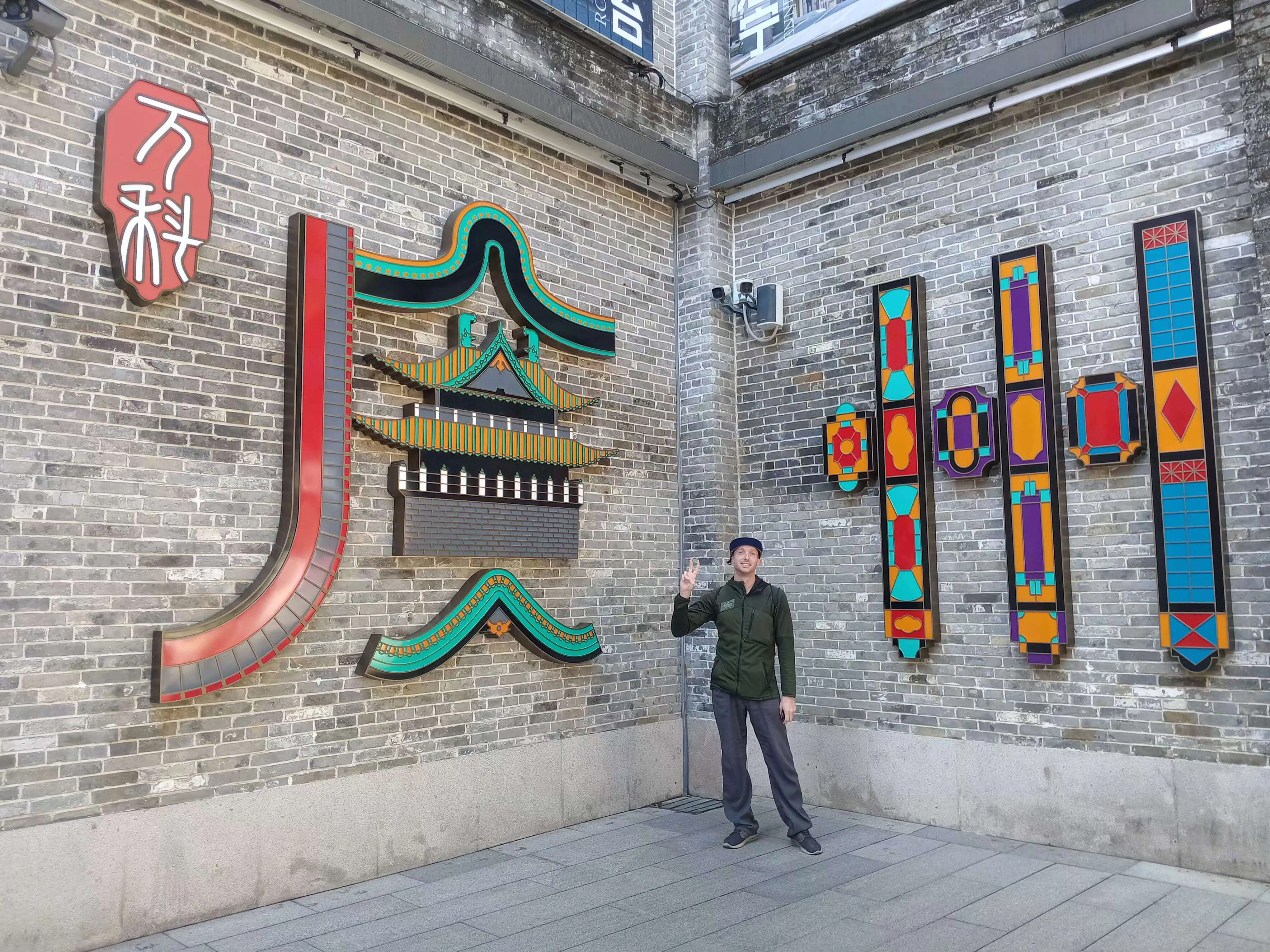
Best Areas to Stay
Shanghai – The Bund / French Concession
Who it’s for: First timers and people who want modern skyline meets colonial history.
Pros:
- Walkable
- Historic context
- Night skyline views
Cons:
- Tourist heavy
- Colonial facades are mostly rebuilt (this is many areas of the country after the revolution in the 1940-50s)
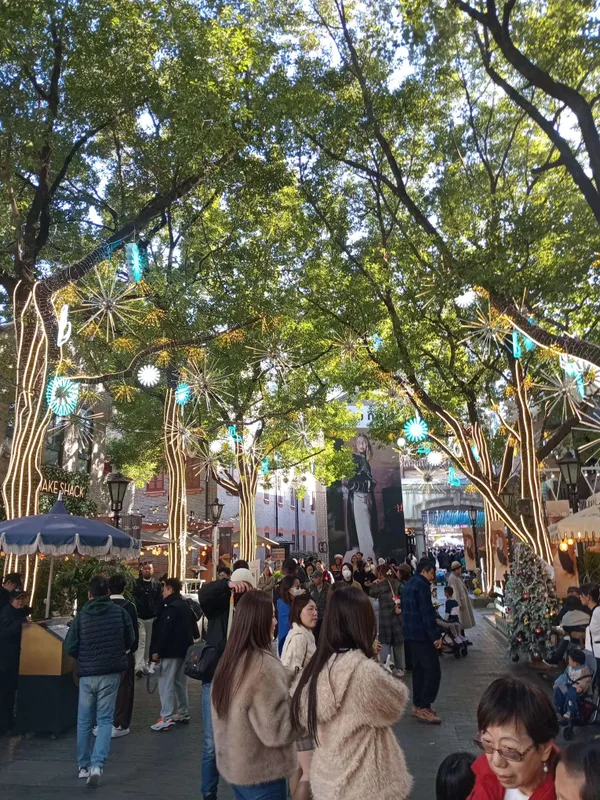
Xi’an – Inside the Old City Wall
Who it’s for: History lovers and food explorers.
Pros:
- Terracotta Warriors
- Muslim Quarter
- Ancient capital energy
Cons:
- Very developed, less ancient than expected
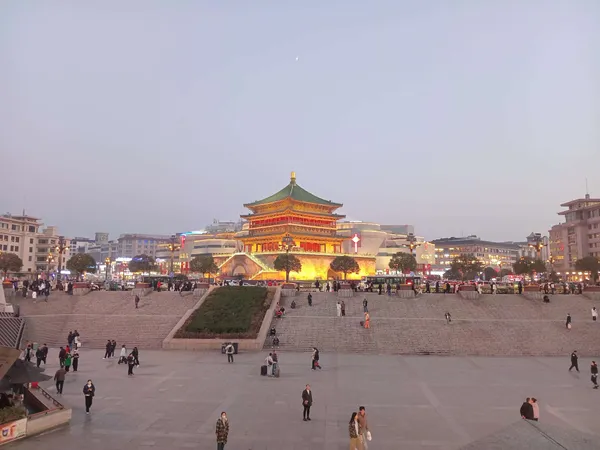
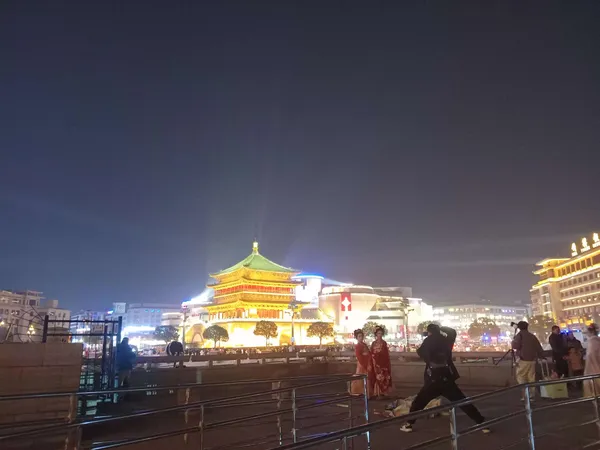
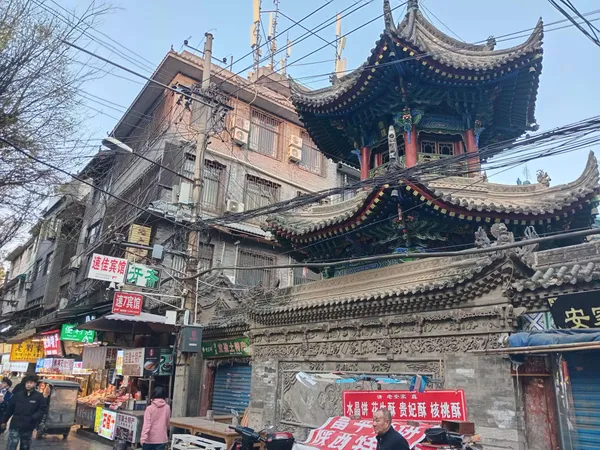
Near the Muslim Quarter
Chongqing – Central District
Who it’s for: Urban explorers who like chaos and vertical cities.
Pros:
- Cyberpunk skyline
- Mountain city layout
- Unique geography
Cons:
- Can feel overwhelming
- Tourist caves and attractions feel manufactured
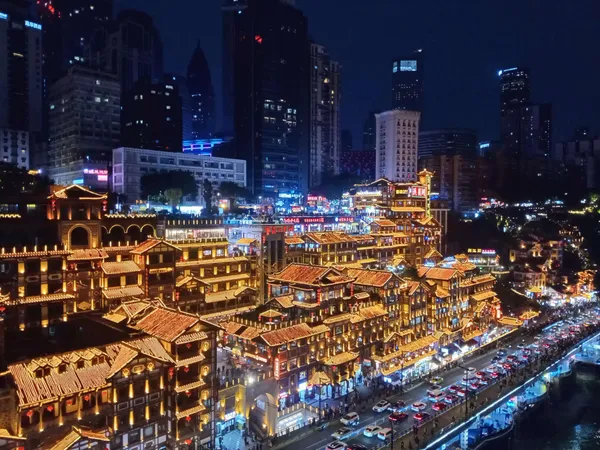
This was the best part. The view from the bridge.
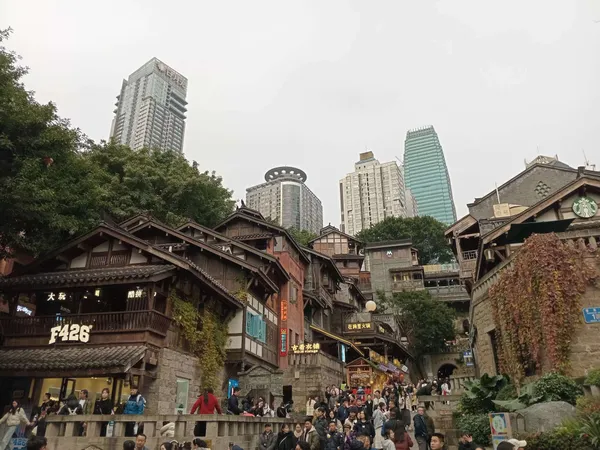
Newly built town made to look old.
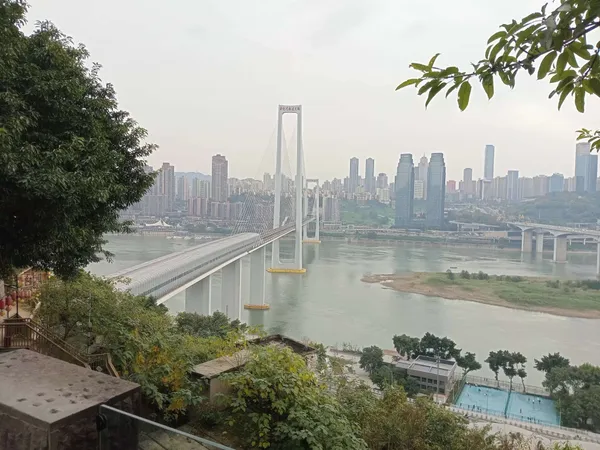
This was a nice viewpoint and you descend down.
I got so lost my first night.
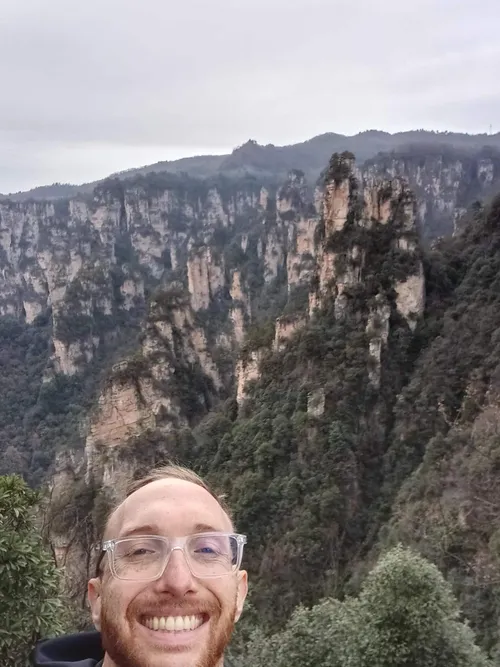
Avatar mountain region, Zhangjiajie area
Who it’s for: People that want to visit the mountains, like nature Pros:
- Unmatched beauty and a must visit in my opinion
- Very well mapped and developed.
- Your face is your ticket Cons:
- Can be too developed for some
- Crowds
- Your face is your ticket
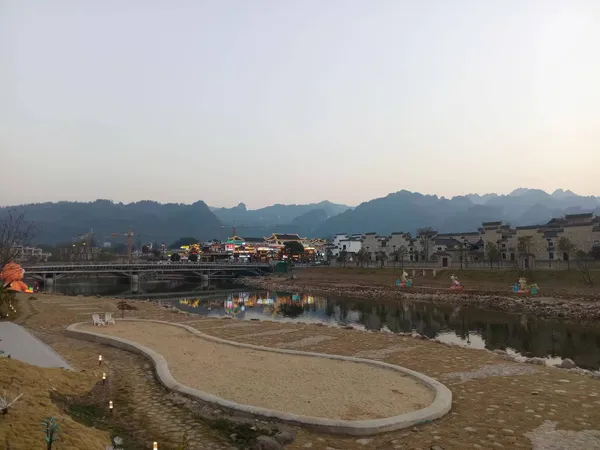
Recommend staying in the town of Wulingyuan
Shenzhen – Futian / Nanshan
Who it’s for: People interested in economic reform and tech.
Pros:
- Ultra modern
- Museums explaining reform era
- Electronic markets are wild
- Easy to get here from Hong Kong
Cons:
- Feels new
- Lacks historical soul
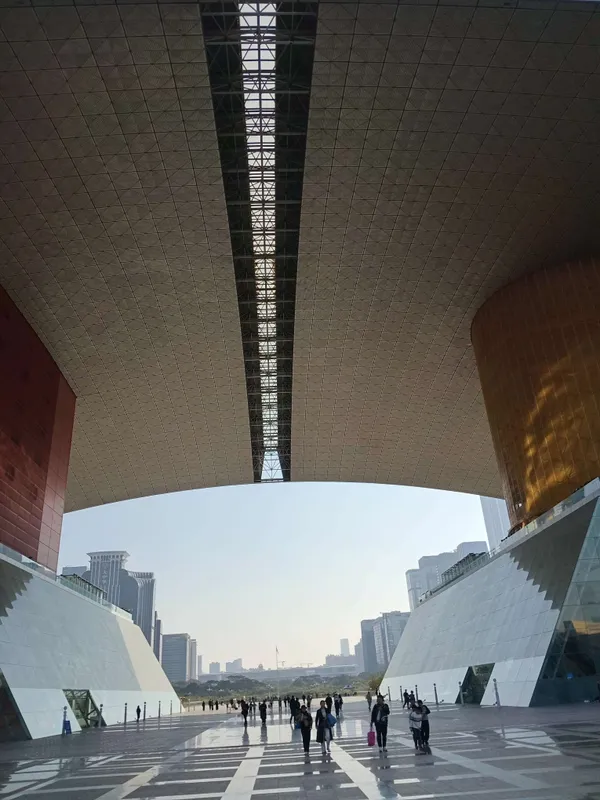
This is the main Plaza. The scale of it was amazing.
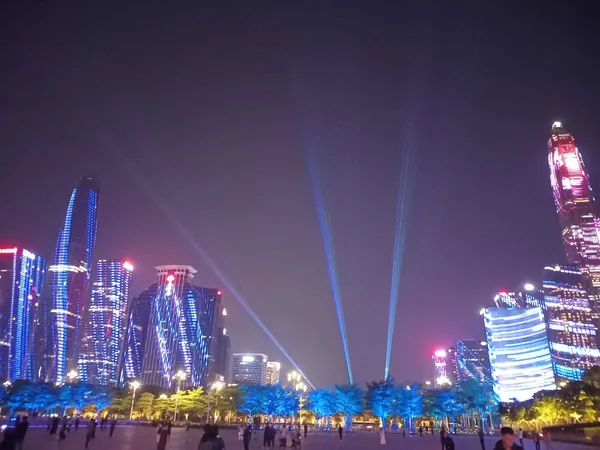
They have a nightly light show, with music.
Guangzhou
Who it’s for: People who want a working class feel and trade city history.
Pros:
- Gritty and authentic
- Nigerian and African immigrant communities
- Lower cost of living
- Very interesting history
Cons:
- Less flashy than Shanghai
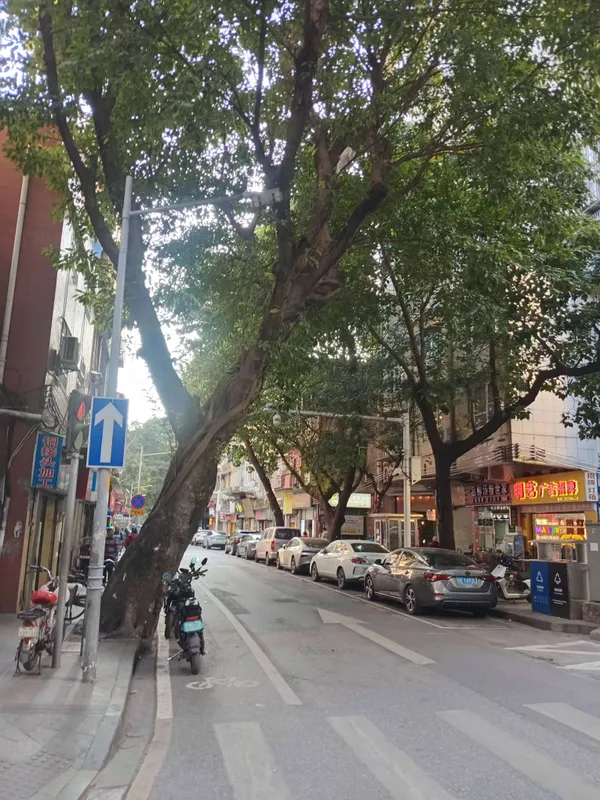
Typical street near my hostel Gaga (which means relax in Mandarin)
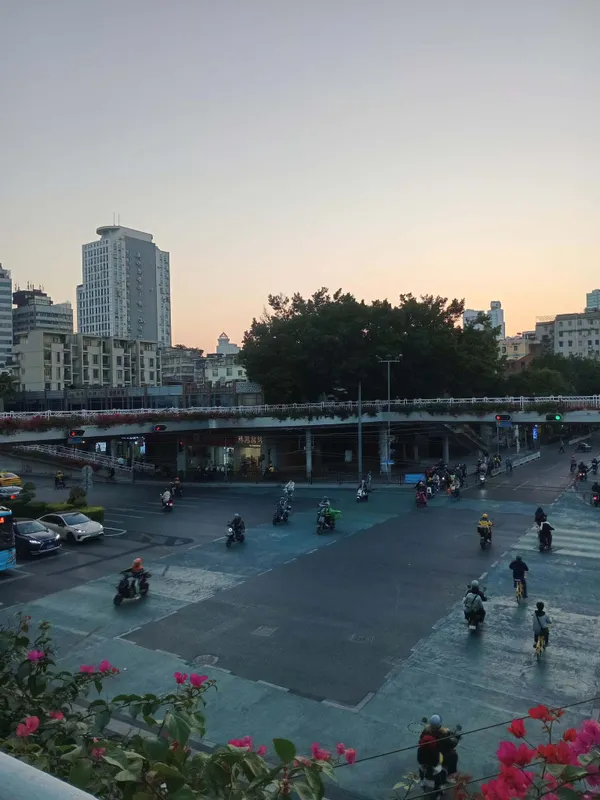
Where I Stayed
Mix of hostels and budget hotels.
- Type of accommodation: Hostels + budget hotels
- Average cost: $4–$20 per night
- Food: $3-8 per meal
- WiFi speed: Fast, but VPN required for western apps.
- Noise level: Varies
- Would I stay again? Yes, but with clearer expectations. Some hostels were converted apartments with many many beds.
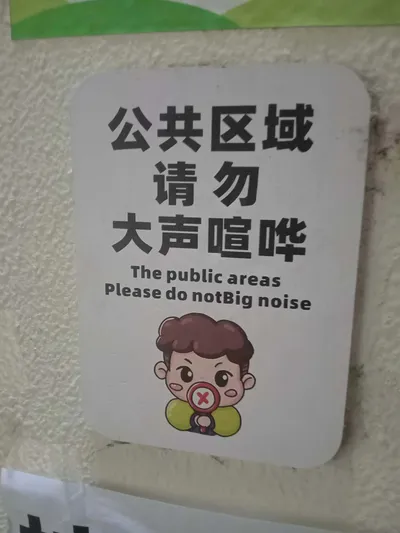
Don’t make BIG NOISE please
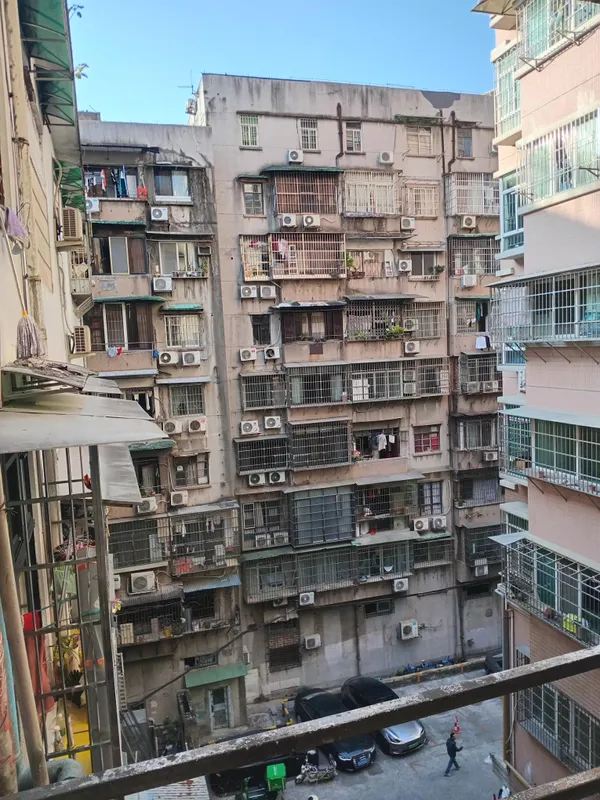
Buildings behind my Hostel in Guangzhou
Necessary Apps
- AliPay: A super app, if nothing else use this. It has mini apps like didi, payment and more.
- Tip: There are transaction fees if you go over 150RMB. Split your transactions to be under 150RMB to not get the fee.
- Amap: This is the ‘google maps’ of here. It has a nice feature to remind you when your stop is coming up.
- WeChat: The U.S uses text messaging, the rest of the world uses WhatsApp, China uses WeChat.
- Trip.com - The only thing I used to book accommodations. Very easy and works for hostels, hotels, trains, parks.
Main Areas & Streets
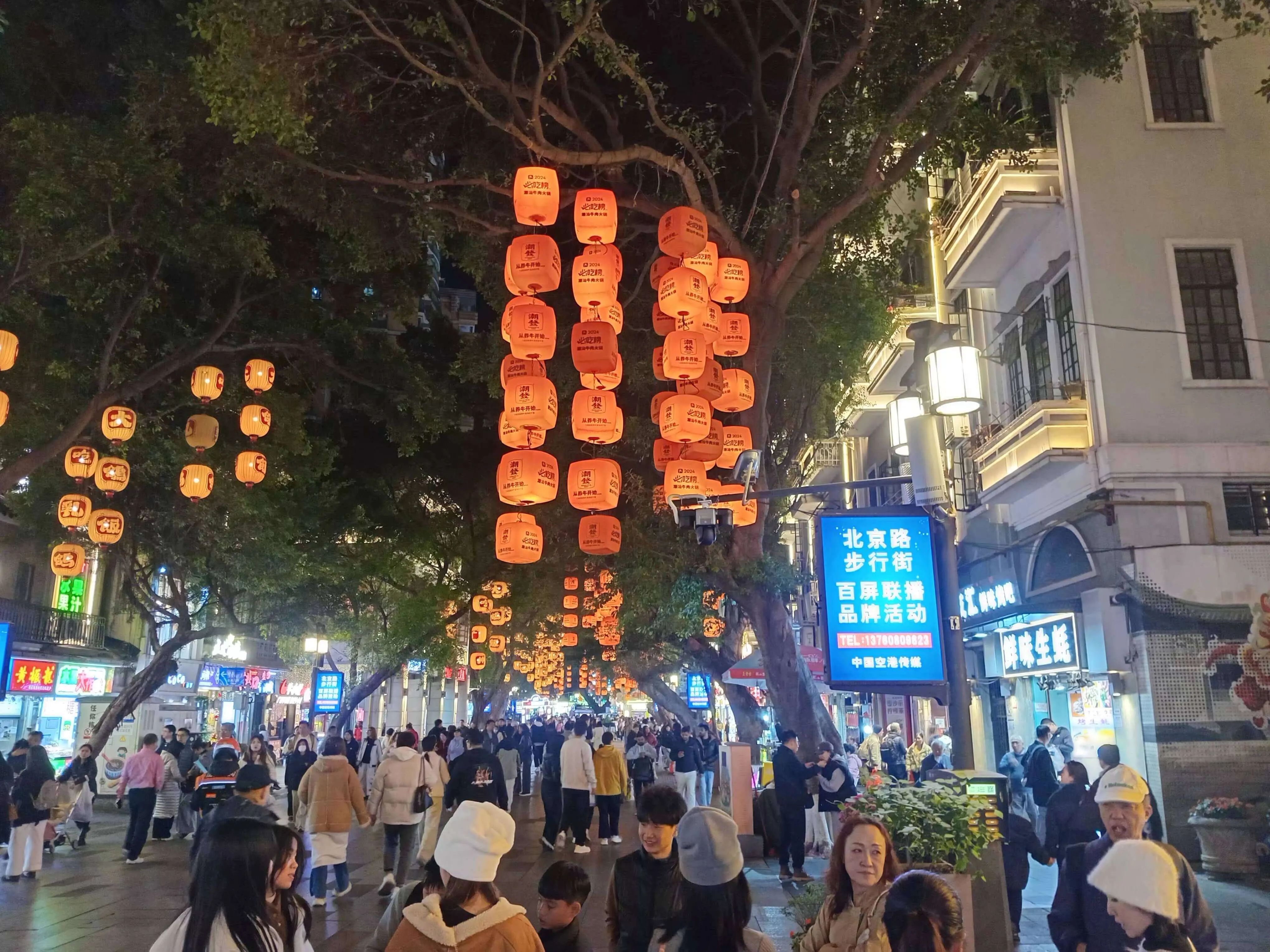
Almost all cities had walking streets like this, this was Guangzhou and has thousands of years of history.
- The Bund (Shanghai)
- People’s Park
- Muslim Quarter (Xi’an)
- Electronic markets (Shenzhen)
- Liwan district (Guangzhou)
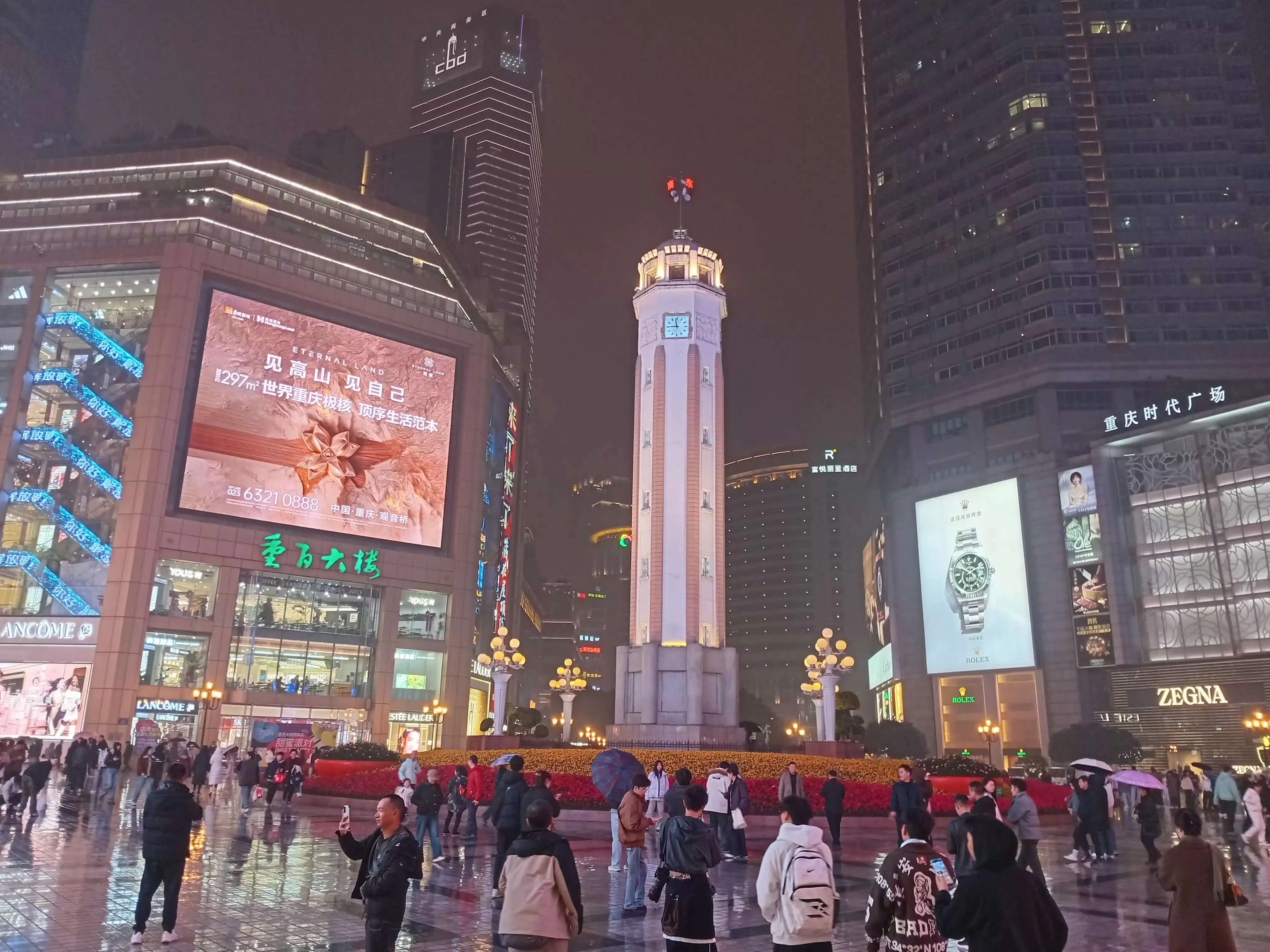
This was the main square, Chongqing People’s Square. It was constructed in June 1997 to symbolize the city’s new municipality directly under the central government.
It is also surrounded by western stores, malls and had a very capitalistic feel. I found it extremely interesting and a bit ironic.
Things to Do
🌊 Nature
- Avatar Mountains is a highlight and must see.
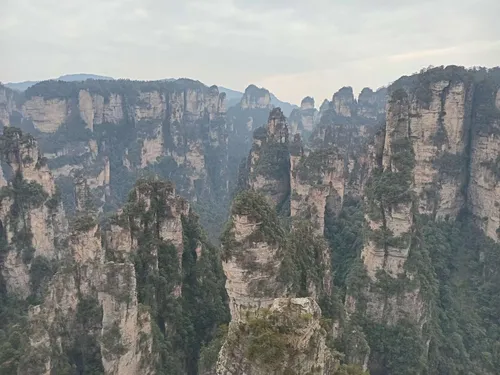
Avatar Mountains
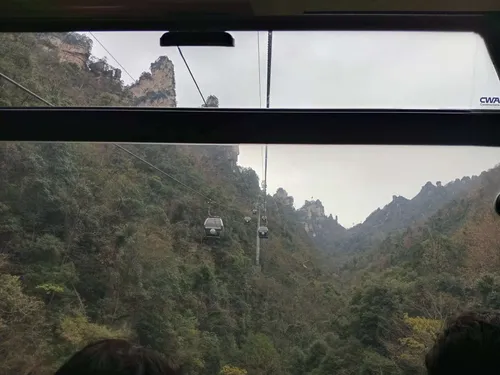
Taking the gondola up
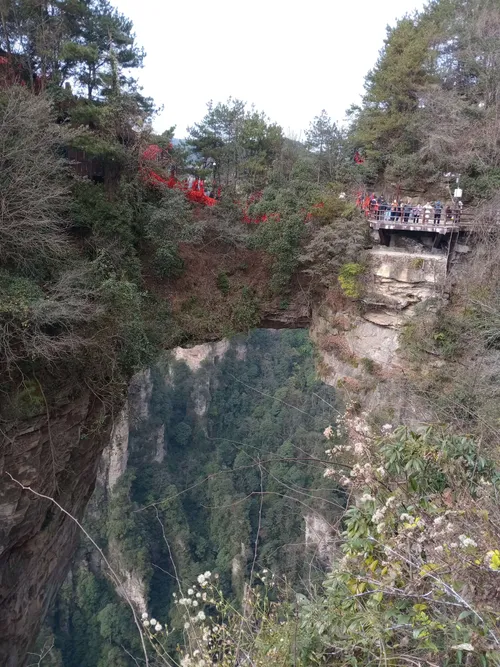
I didn’t trust this ‘bridge’, it looked cool though.
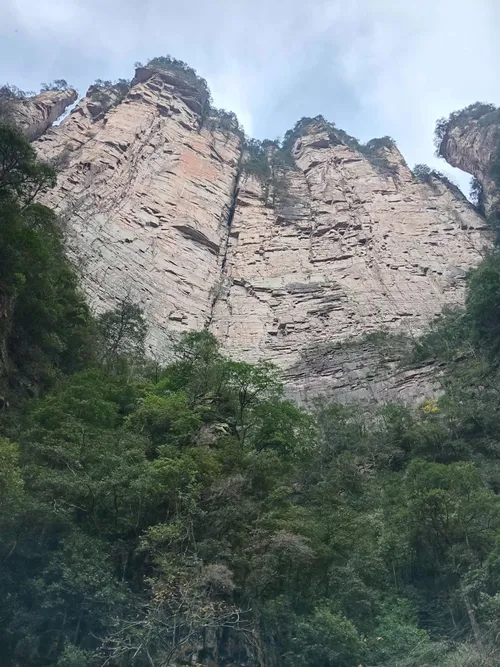
Hiking in one of the lower areas by the stream. You can really sense the scale.
🍽 Food & Drink
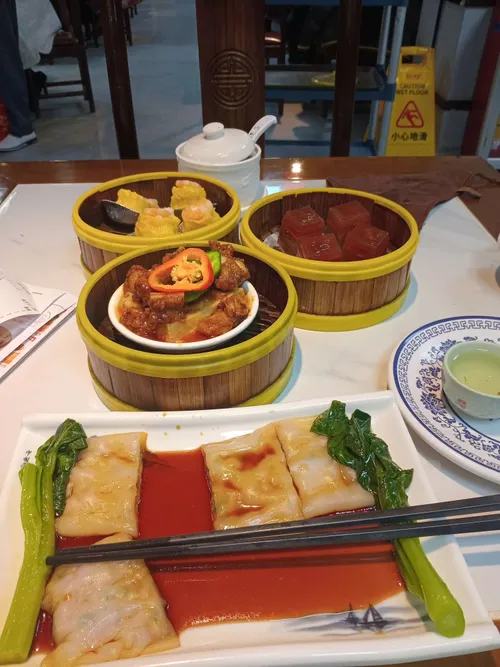
This could be a lifetime to explore in itself. I tried most of the regional dishes I could.
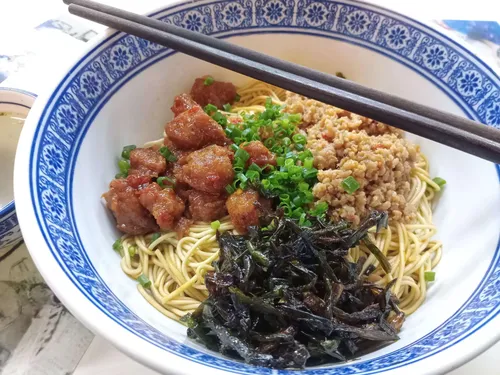
Shanghai
- Xiao Long Bao (soup dumplings), dry noodles
- Food tour with Bill
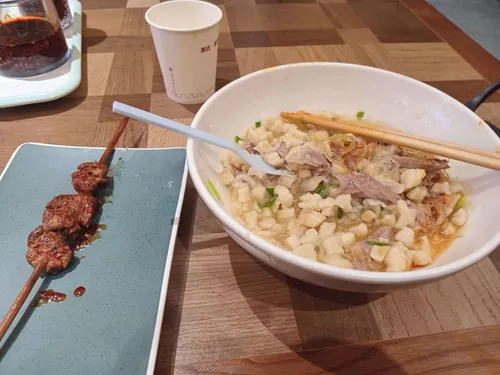
Xi’an
- “Chinese hamburger” (Rou Jia Mo)
- Lamb skewers
- Yangrou Paomo (bread in lamb soup)
- Biang Biang noodles
- Dumplings
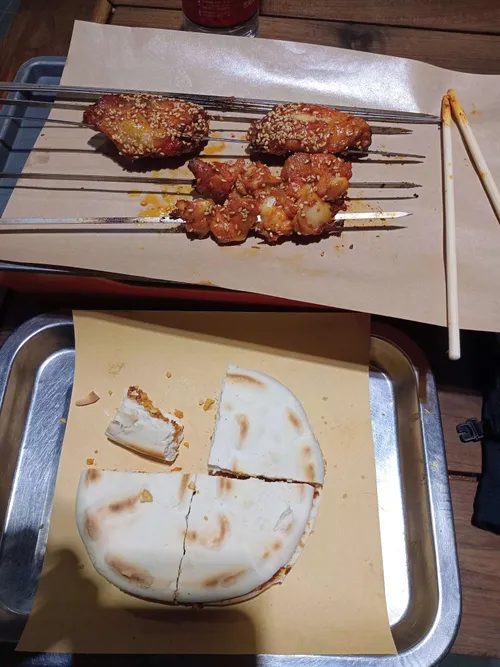
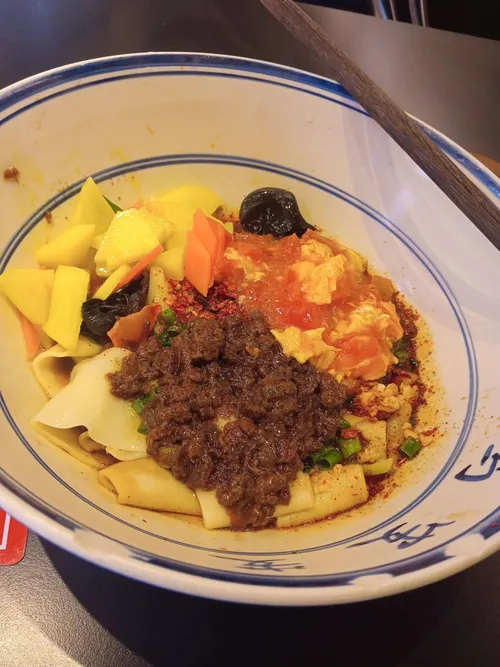
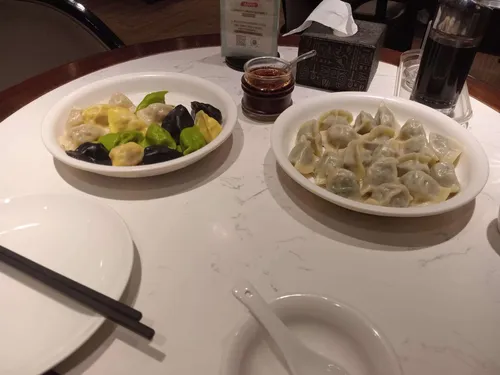
Chongqing
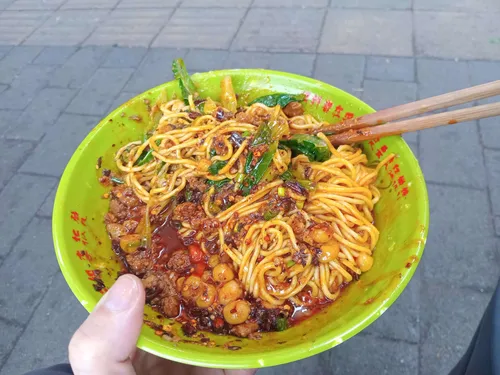
- Spicy Noodles
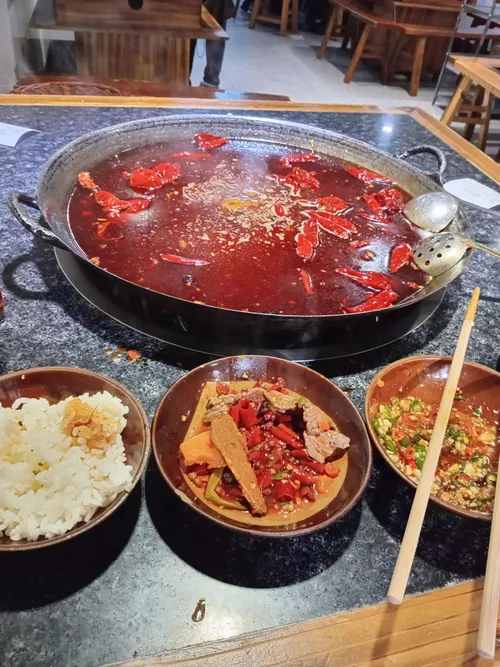
- Hot pot
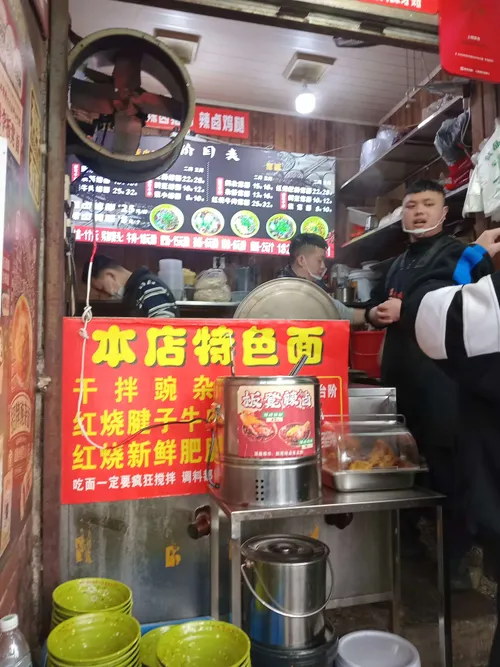
These guys were so nice. I got my spicy noodles for breakfast. People were eating on plastic stools on the sidewalk. I joined right in. They made a ‘mixing’ motion with their hands to tell me to mix it well before eating.
Hunan (Avatar mountain region, Zhangjiajie area)
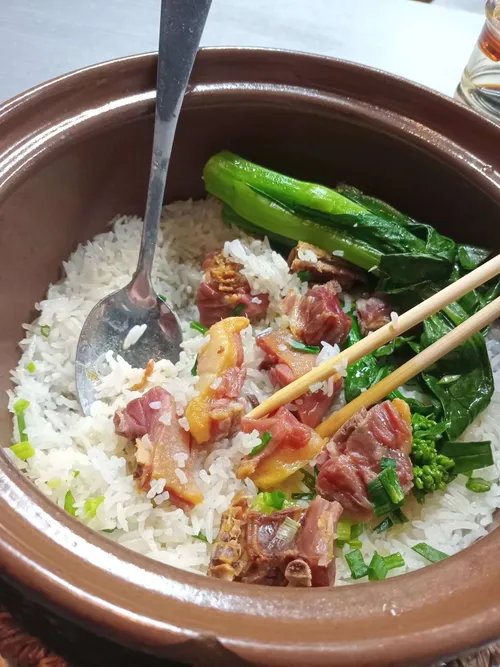
- Clay pot rice
-
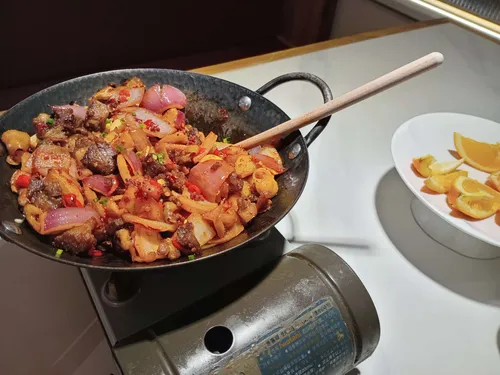
- San Duo Rou “three meat dish”
Shenzhen
- Coconut chicken hot pot
Guangzhou
- Dim sum
🏛 Culture
- I always take walking tours when I visit a new city. I have personally been on these and can vouch for the guides.
- Walking Tour in Shanghai
- Fuzing Park and French Concession history in Shanghai
- Terracotta Warriors
- Bell and Drum Towers in Xi’an
- Chongqing Peoples Square
- Economic Reform Museum in Shenzhen
- Walking tour in Shenzhen with Benjamin
- Opium Museum in Dongguan
- Walking tour in Guangzhou with Lin
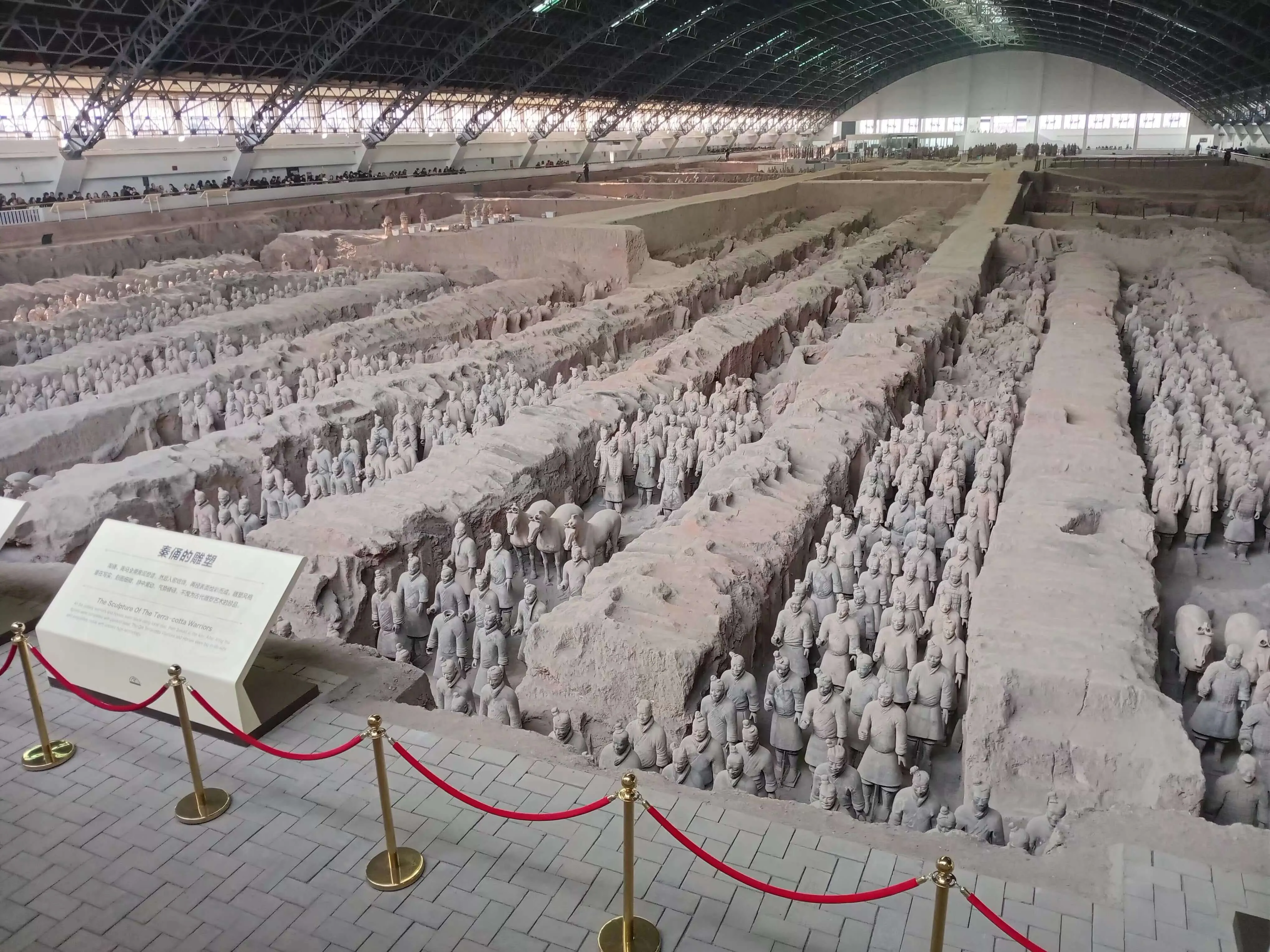
The 8th wonder of the world
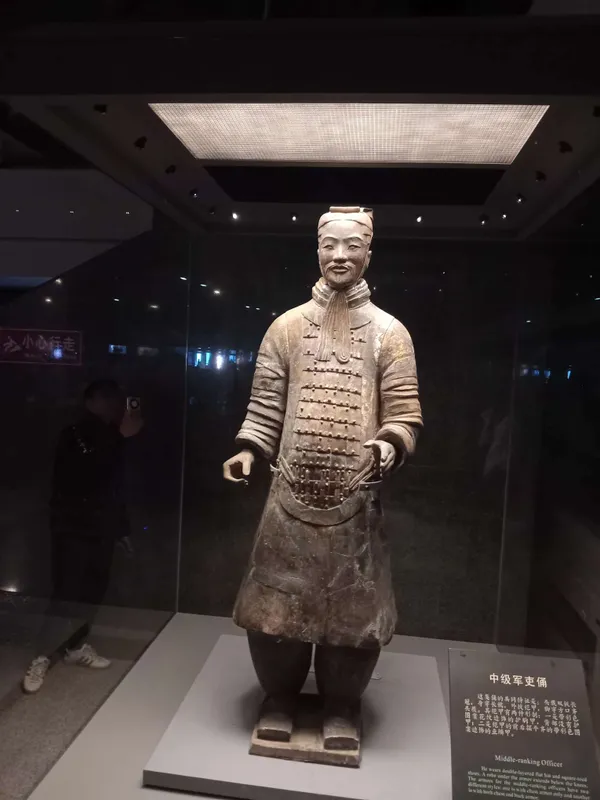
Lone Warrior
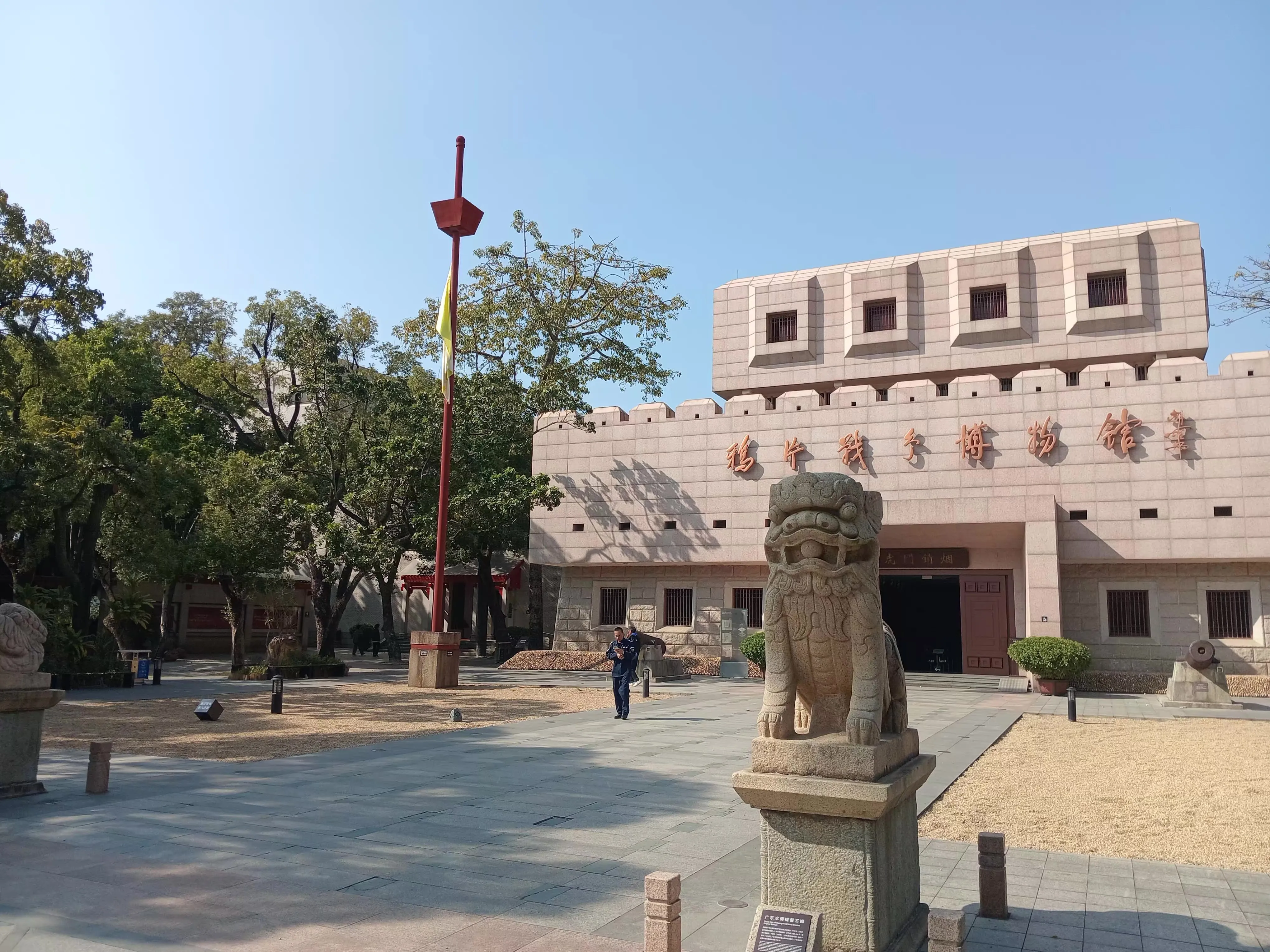
Opium Museum in Dongguan, told an interesting history from the Chinese perspective.
🏄 Adventure
- High speed rail travel across provinces
- Navigating mega train stations
- Avatar Mountain Hikes
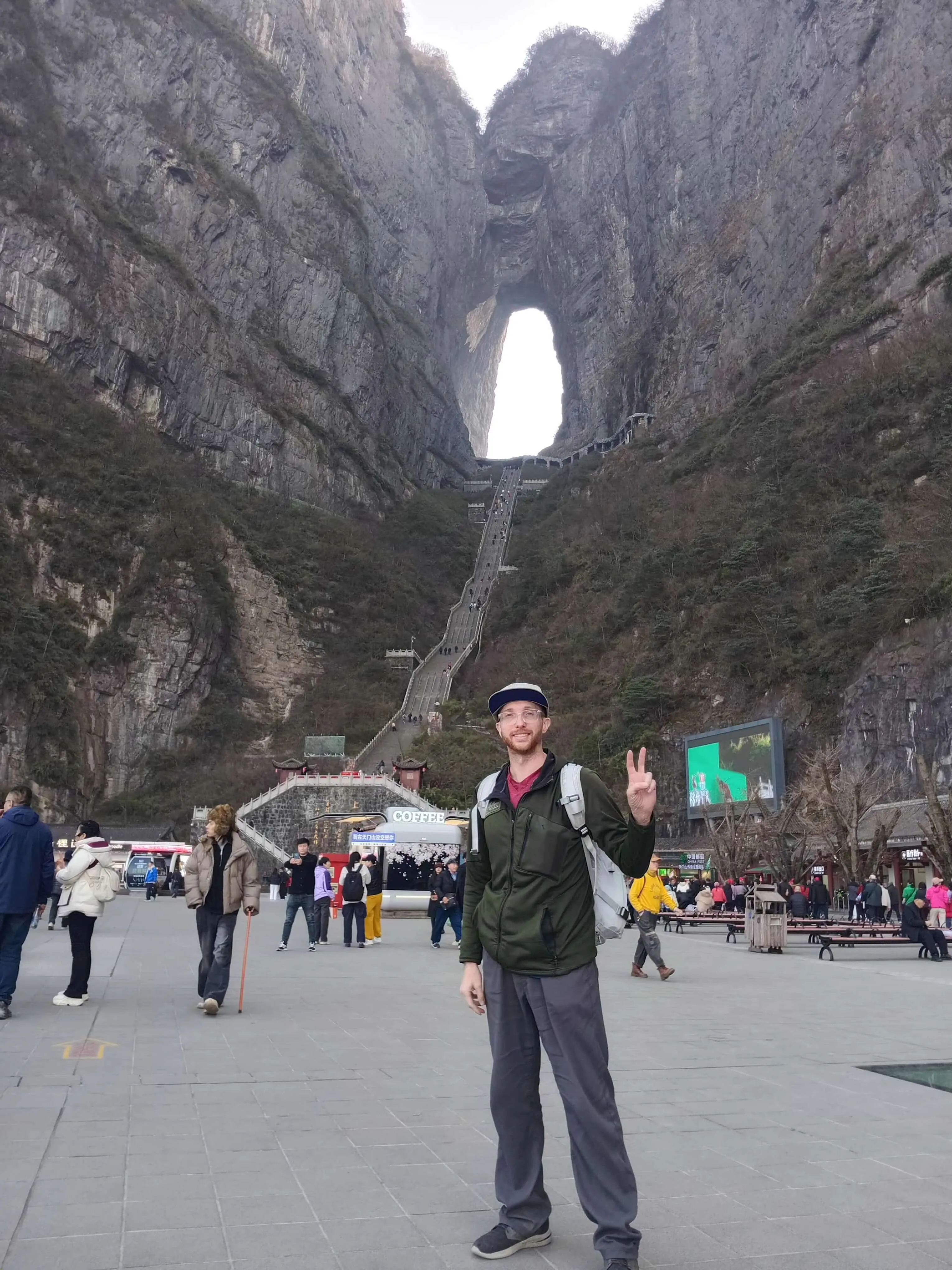
Working Remotely in
You can work here. Infrastructure is excellent. but you will need a VPN to access outside resources.
- Average WiFi speeds: Fast
- Best cafes: Many in tier 1 cities
- Coworking options: Common in Shenzhen and Shanghai
- Power outages: None experienced
- SIM / eSIM options: Affordable but apps required
- Is it productive or distracting? Productive, but VPN dependency adds friction.
I used and would recommend setting up your own via NordVPN before arriving
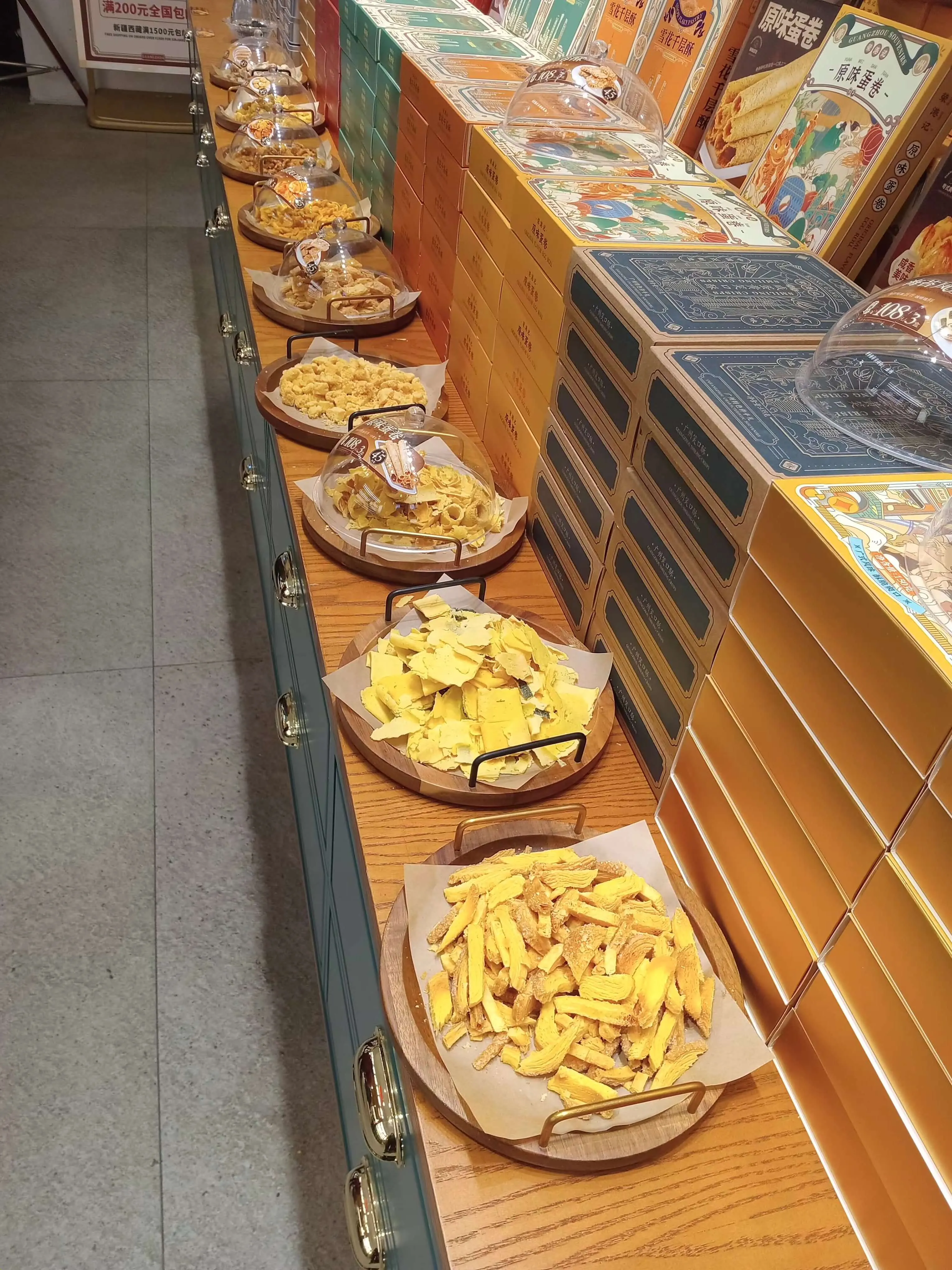
Many stores have free samples you can go and try before you purchase.
Transportation
✈️ From the Airport:
Efficient metro systems in all major cities.
🚌 Public Transport:
- Metro rides cost $0.30–$1 typically.
- High speed rail is incredibly efficient.
- $46 for a 5 hour ride felt like an incredible deal.
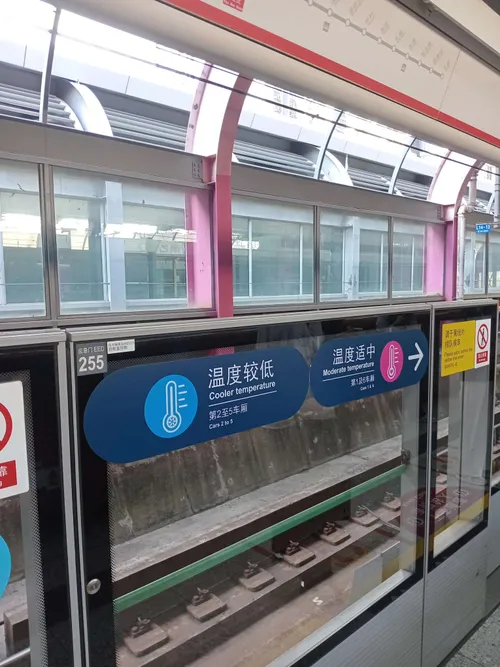
Metro cars are temperature controlled depending on your preference. Warmer or Colder
High Speed Rail
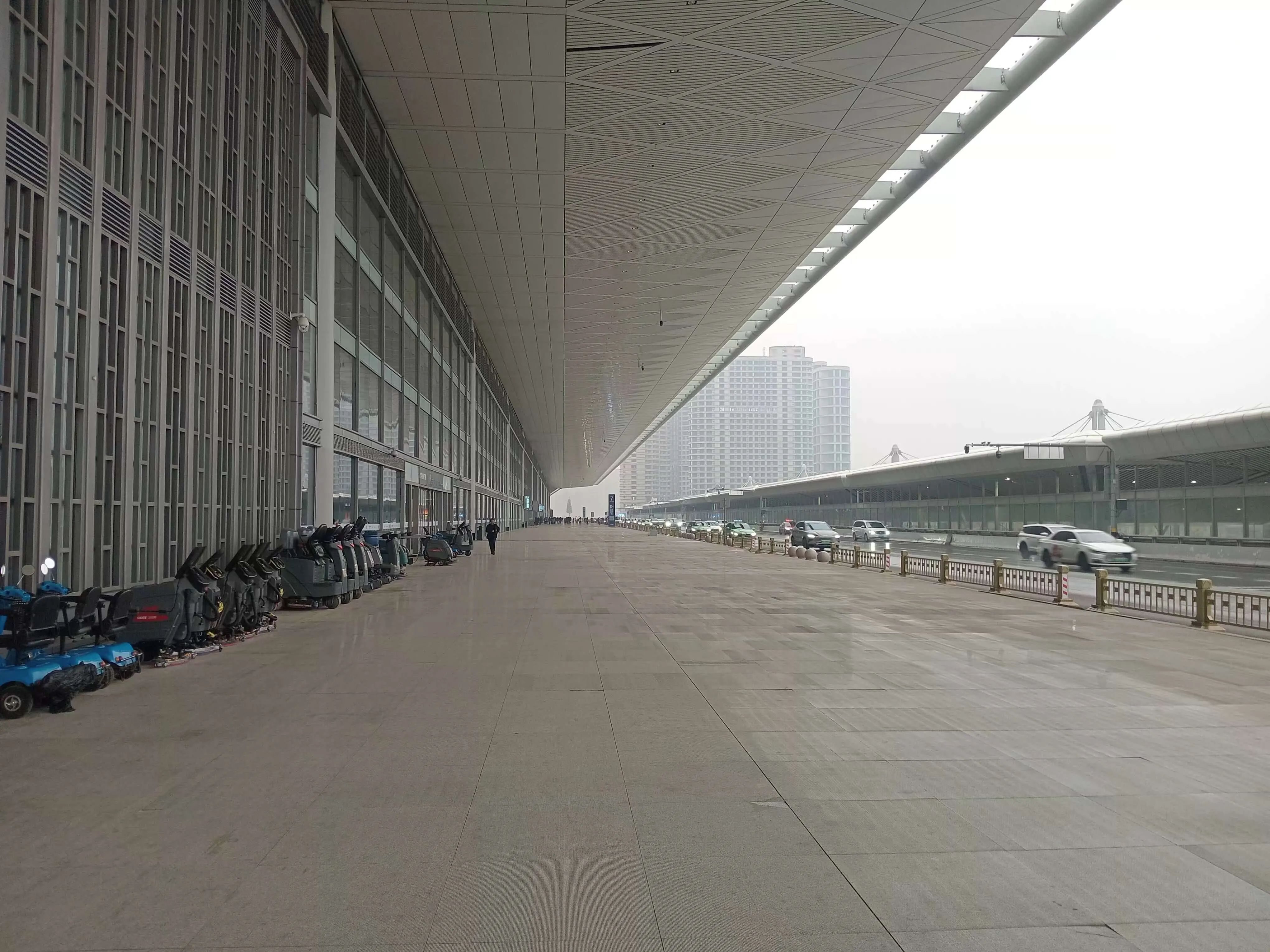
Stations are airport sized. Security scanning like an airport. Give yourself some extra time.
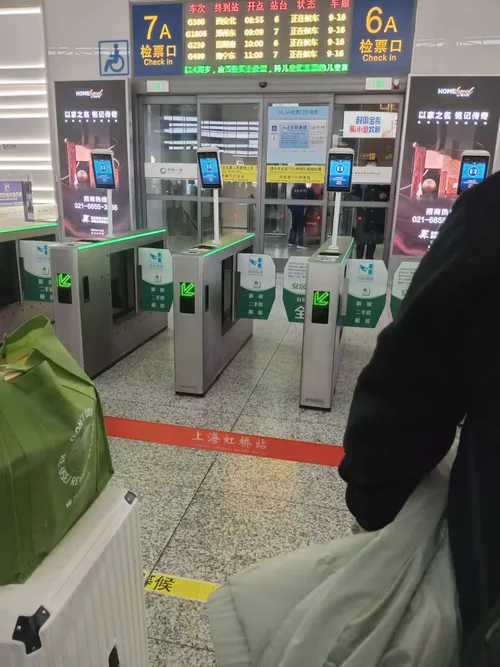
You use your passport as your train ticket.
Bikes
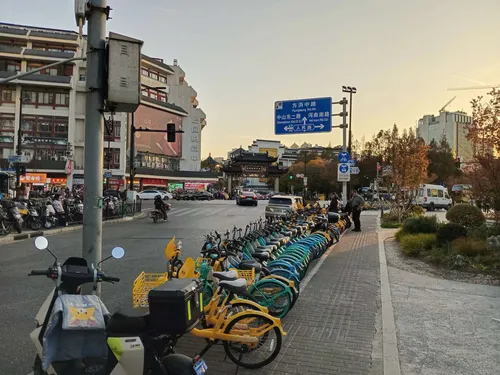
You can use alipay and rent these bikes. Only the blue ones work with AliPay. The yellow ones are a separate app. I had a blast riding the bike and it was $0.10 for a 25 minute ride.
🚶 Walkability:
Good in central districts, but cities are massive.
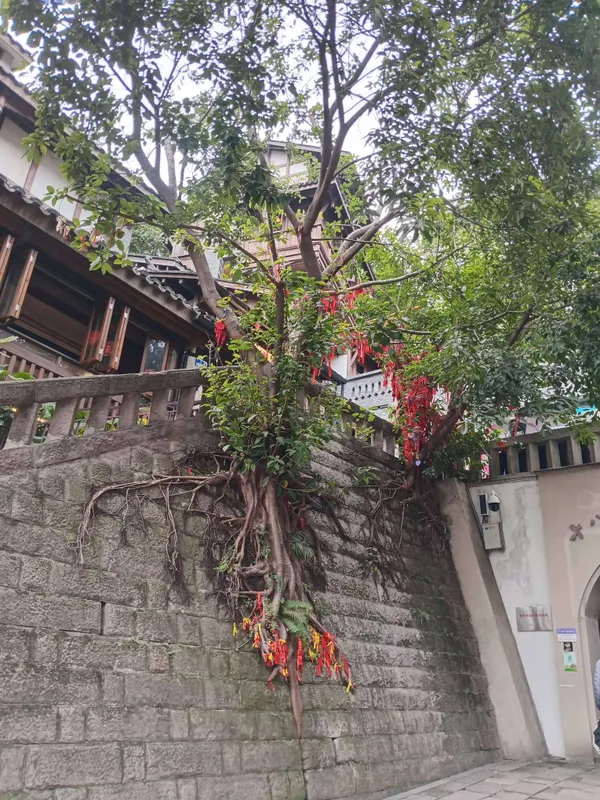
Tree in Chongqing growing on the wall.
⚠️ Things to Watch Out For:
- VPN needed.
- Apps required for everything
- Political conversations are sensitive
- Spitting and smoking common
- Trains and stations are extremely large
- Some people will try and invite you to have tea with them or beer. Deny at all costs. It is a known scam. I had this happen in Shanghai. I said sure, let’s to to starbucks. We went to starbucks, I let them go first and I said “Bye Bye” and continued on my way.
Cost of Living Estimates
Very affordable for what you get.
- Budget hostel/hotel: $4–$40
- Metro ride: $0.30–$1
- High speed train (5 hrs): ~$46
- Meals: $2–$6
- Coffee: $2
Subsidies are noticeable in transport and utilities.
Pros
- Incredible infrastructure
- Affordable food
- Electric vehicle dominance
- Economic transformation story
- Curious and often friendly people
Cons
- Heavy political narrative
- VPN required
- Historical buildings often reconstructed
- Public behavior can feel intense
- Can feel monitored
FAQ
Is China safe?
Yes. Extremely safe physically. Low crime. Strong visible security presence.
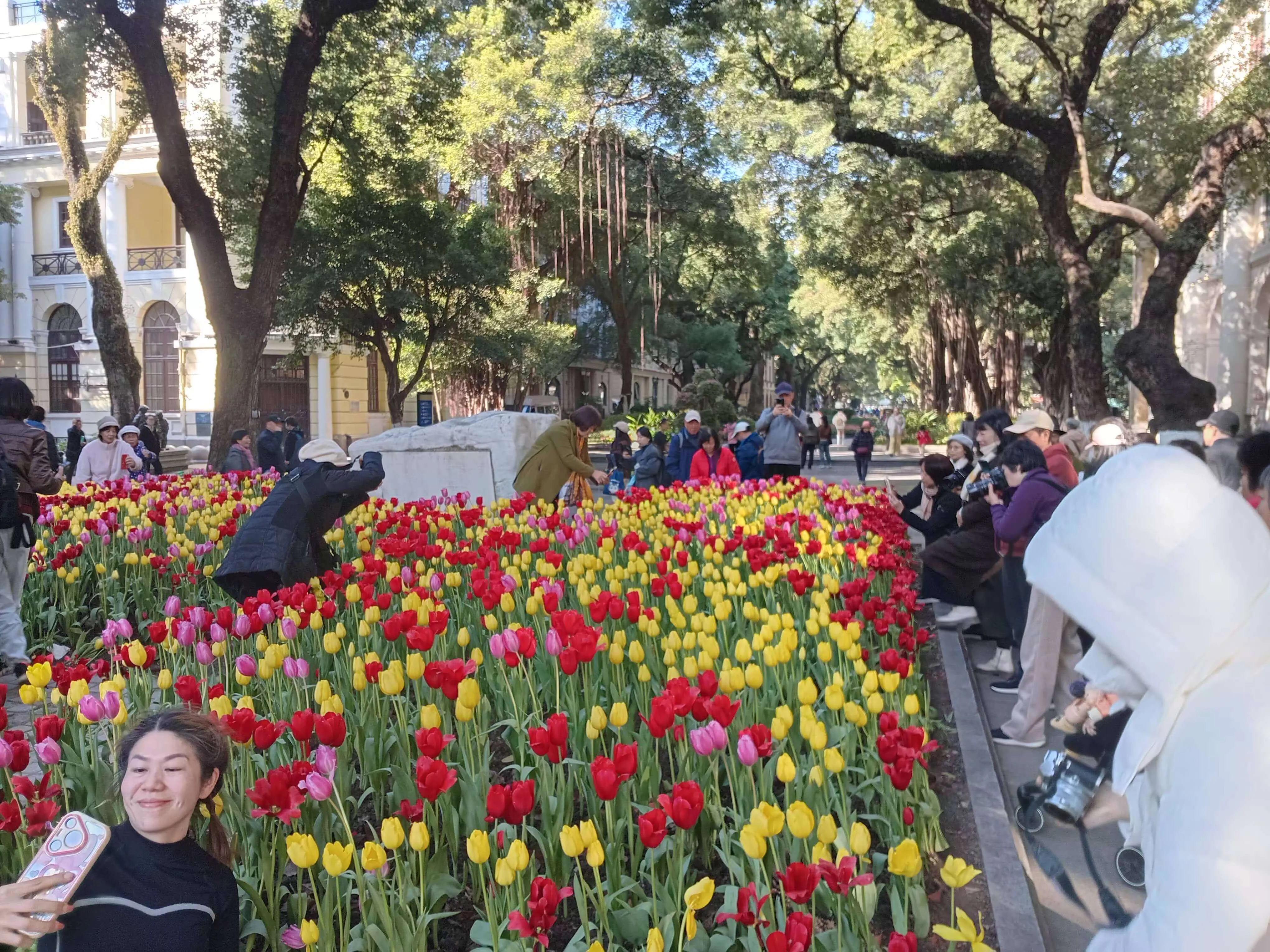
Selfies and photos are next level here. This was in Guangzhou
Would I Come Back?
Yes, definitely but for longer periods. I would explore the countryside more. China is not Japan. It is not Southeast Asia. It is not Western. It is building very fast. It made me question things. About the East, the West. About history. About power projection. About news reports on both sides.
I am not sure China is the villain many paint it as. I am also not sure it is the hero. But it is impossible to ignore. If you are curious about the future of the global order, go see it yourself.
I was astounded that the level of infrastructure was in place to get 1.4 billion moving around the country. Affordable and efficient. I was also astounded that it has an entire separate internet ecosystem. Apps, websites everything.